shaliniiraj
-
From Opinions to Probabilities: The Future of Market Forecasting
James’ interest in prediction markets began with a simple question: How do markets process information? He saw that investors and analysts make forecasts every day, but much of that knowledge remains scattered across research, social media, and private discussions. FinTech Interview with James Pierog This led him to prediction markets, where participants put capital behind…

-
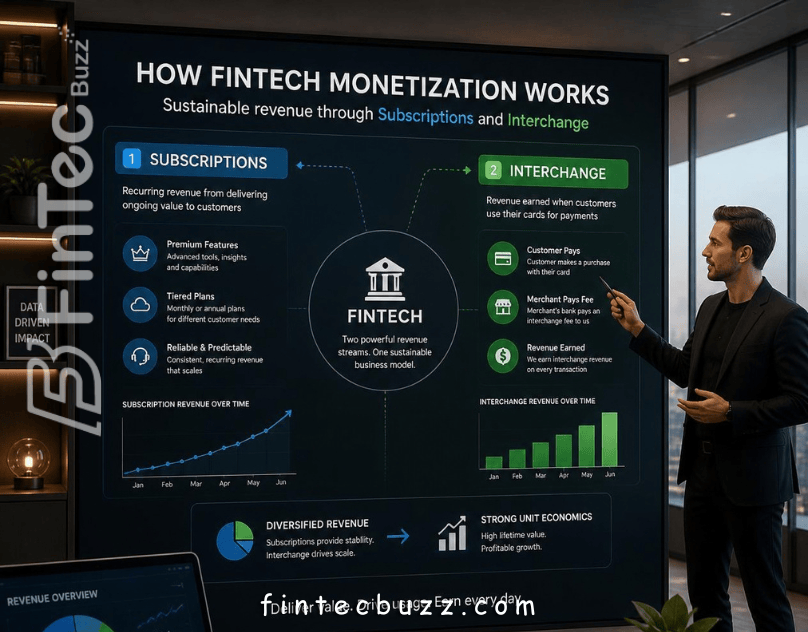
The Evolution of Fintech Monetization Models
Fintech companies have changed how consumers and businesses manage money. From digital banking and payment apps to investment platforms and financial management tools, fintech products have made financial services faster and more convenient. But building a successful fintech product requires more than attracting users. Companies also need sustainable ways to generate revenue. This is where…
-
The Future of Wealth Management: Humans and Robo-Advisors
The Evolution of Robo-Advisors in Wealth Management Robo-advisors have changed wealth management, but not in the way their early founders expected. Instead of replacing human financial advisors, automation has become a core part of modern wealth management, with hybrid models combining technology and human guidance gaining strong traction. What Robo-Advisors Solved Automated investing made professional…

-
The Future of Wealth Management: Scaling Expertise Through Technology
Dan’s career has focused on financial services, enterprise technology, and solving complex operational challenges for large institutions. Before co-founding WealthStream, he spent years at Charles River Development, later part of State Street, where he served as Global Head of Sales and worked with financial institutions worldwide. FinTech Interview with Dan Daum His experience highlighted a…

-
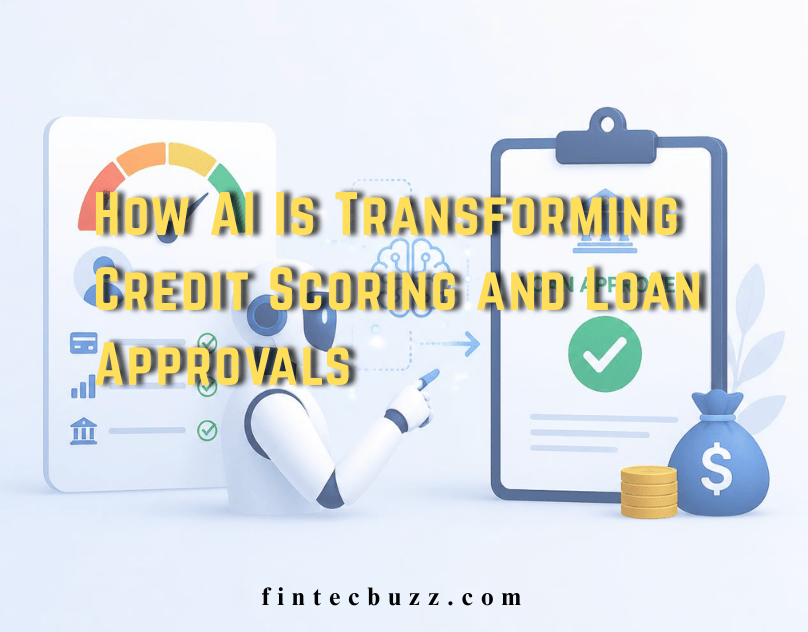
AI Credit Scoring: Driving Smarter, Faster Lending Decisions
AI Credit Scoring: Transforming Modern Lending AI credit scoring is reshaping how financial institutions evaluate borrowers, price risk, and process loan applications. By combining machine learning, predictive analytics, alternative data, and automation, lenders can assess creditworthiness more efficiently while improving the customer experience. The value of AI goes beyond faster approvals. With strong governance, explainability,…
-
Digital Lending Platforms: Revolutionizing Access to Credit
A decade ago, getting a business loan often meant visiting a bank, completing extensive paperwork, and waiting weeks for approval. Today, digital lending platforms can help borrowers apply online, submit documents, and receive funds within hours. This transformation is changing how individuals and businesses access credit. What Are Digital Lending Platforms? Digital lending platforms are…

-
How Digital Innovation Is Changing the Way We Manage Money
Digital-First Finance: How Technology Is Transforming Financial Services Money management has rapidly moved from bank branches and desktop platforms to smartphones. Today, customers can check balances, make payments, invest, and apply for loans within seconds. This shift represents digital-first finance, where digital channels are the primary way financial services are delivered. What Does Digital-First Finance…
-
Driving Banking Innovation Through Cloud-Native Transformation
As financial institutions modernize, Advanced Cloud Technology is becoming a critical driver of the Future of Banking. Cloud platforms help banks innovate faster, modernize infrastructure, improve resilience, and deliver personalized customer experiences at scale. How Cloud Technology Is Transforming Banking Cloud-first operating models are replacing fragmented legacy systems with flexible, cloud-native architectures built around microservices,…

-
Why Digital Lending Is Becoming Essential for SME Financing
SME Lending Platforms: Transforming the Future of Business Financing Access to capital has always been critical for SMEs looking to grow, innovate, and navigate economic uncertainty. Today, SME lending platforms are transforming traditional financing through technology-driven models that make borrowing faster, smarter, and more efficient. Digital lending is no longer just an operational upgrade it…
-
From Data Governance to Data Confidence: The Role of Quality
Financial institutions can build sophisticated data governance frameworks, but if the underlying data is inaccurate or incomplete, the entire effort loses value. Data governance without strong data quality is simply bureaucracy without control. Consider a financial firm that spends months creating policies, assigning data ownership, and deploying a data catalog. If an audit later finds…

